


 Edited By
 Introduction
An Online Degree in Game Development is a flexible online degree designed for creative minds who want to bring interactive worlds to life. In today’s fast-growing gaming industry, this program blends coding, design, and storytelling to prepare students for exciting career opportunities in an Online Degree in Game Development. Whether you dream of developing indie projects or working for major studios, this path equips you with the technical and artistic skills to thrive.
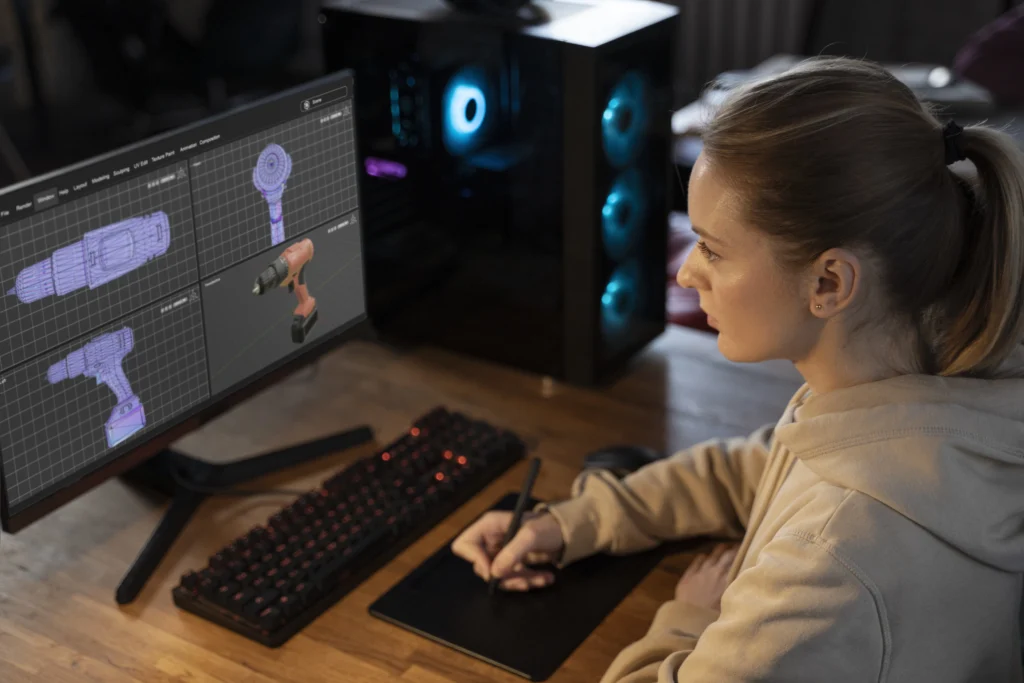
Top universities, such as Southern New Hampshire University, Champlain College Online, the University of Albany, Full Sail University, Grand Canyon University, Lamar University, and Walsh University, offer innovative online options. This degree is an excellent choice for aspiring developers, artists, and problem solvers seeking a career where technology and creativity intersect.
Highly Ranked Online Degree in Game Development
Southern New Hampshire University
Offers a flexible online program emphasizing game design, interactive storytelling, and coding foundations, preparing students for creative roles in both indie projects and professional development environments.
Delivers a career-focused program integrating technical game programming, design strategy, and industry-relevant skills, helping students build portfolios that showcase readiness for competitive roles in modern game studios.
Provides an interdisciplinary online degree blending computer science, creative design, and practical project work, preparing graduates to contribute to innovation in entertainment, simulation, and interactive game development.
Known for its immersive, hands-on learning, this program focuses on cutting-edge tools, real-time projects, and collaboration, equipping students with practical skills directly aligned with the industry’s expectations.
Offers an online game development program rooted in technology, design principles, and ethical practices, fostering critical thinking, teamwork, and creativity to prepare students for evolving digital entertainment landscapes.
Combines engineering principles, software development, and design methodologies in its online program, supporting students in mastering technical and creative skills necessary for shaping innovative and interactive gaming experiences.
Provides a balanced online curriculum emphasizing digital design, programming, and professional ethics, enabling students to apply technical knowledge creatively in game development while preparing for dynamic industry opportunities.
Online Degree in Game Development: Program Aspects & Considerations
Best Online Degree in Game Development
Selecting the best online degree in game development involves identifying programs that unite creative design with technical proficiency and accessible learning. These degrees highlight essential skills in coding, interactive storytelling, and immersive world-building. In 2025, leading schools are distinguished by their affordability, innovation, and career readiness. The programs profiled here excel through academic quality, flexible formats, and their strong preparation of graduates for success in today’s fast-paced gaming and interactive entertainment industries. These institutions are renowned for their creativity, hands-on training, and for equipping learners with the expertise to thrive in the ever-evolving world of digital technology.
Southern New Hampshire University – Online Degree in Game Development
This program offers a comprehensive online degree in game development designed for students passionate about technology and creativity. Emphasizing coding, digital storytelling, and interactive design, the curriculum combines technical expertise with innovative thinking to prepare graduates for careers in gaming and interactive media. Learners benefit from flexible pacing, experienced faculty, and opportunities to explore industry-relevant tools and technologies. With an emphasis on affordability and accessibility, this program provides a pathway for students seeking career advancement in one of the world’s fastest-growing entertainment industries.
Highlights:
- Offers concentrations in 3D modeling, software engineering, and interactive storytelling for career-focused expertise.
- The flexible online format enables students to balance their education with personal and professional commitments effectively.
Quick Facts:
- Program Length: 4 years (full-time), 5–6 years (part-time)
- Credits: 120 credits
- Cost Per Credit: $342
- Accreditation: New England Commission of Higher Education (NECHE)
- GRE Required: No
Why it Made Our List:
This program stands out for its affordability, flexible learning model, and strong focus on preparing students for careers in game design and development.
Champlain College Online – Online Degree in Game Development
Champlain College Online delivers an innovative online degree in game development, emphasizing both technical skills and artistic creativity. The program is designed to prepare students for real-world challenges through a career-focused curriculum that integrates coding, design, and project-based learning. Learners gain hands-on experience with industry-standard tools, ensuring they are ready for competitive roles in interactive media and gaming. With its practitioner-focused faculty and flexible online environment, the program provides a practical, affordable, and engaging education that helps students thrive in the evolving gaming industry.
Highlights:
- Industry-aligned curriculum developed in collaboration with experienced professionals in game design.
- Provides multiple start dates yearly, offering flexible entry into the program for busy learners.
Quick Facts:
- Program Length: 4 years (full-time), 5–6 years (part-time)
- Credits: 120 credits
- Cost Per Credit: $335
- Accreditation: New England Commission of Higher Education (NECHE)
- GRE Required: No
Why it Made Our List:
This program offers career-centered training, flexible entry points, and hands-on learning, ensuring students are prepared for today’s gaming job market.
The University of Albany – Online Degree in Game Development
The University of Albany’s online program in game development is structured to blend theory and practice, providing aspiring developers with a comprehensive approach. Students study interactive design, 3D modeling, and software engineering while gaining a strong foundation in computer science. The program equips learners with the technical and creative abilities necessary to succeed in a competitive gaming industry. With affordable tuition, academic rigor, and experienced faculty, the program offers a flexible and supportive online environment, making it an appealing choice for those pursuing careers in digital entertainment.
Highlights:
- Provides integration of computer science fundamentals with gaming and digital storytelling applications.
- Offers access to faculty mentors with research and industry expertise in interactive media fields.
Quick Facts:
- Program Length: 4 years (full-time), 5–6 years (part-time)
- Credits: 120 credits
- Cost Per Credit: Not Specified
- Accreditation: Middle States Commission on Higher Education (MSCHE)
- GRE Required: No
Why it Made Our List:
This program emphasizes a strong foundation in computer science, complemented by creative applications, preparing graduates for both technical and design careers.
Full Sail University – Online Degree in Game Development
Full Sail University’s online game development degree provides a fast-paced, immersive education for students eager to enter the gaming industry. The curriculum emphasizes real-world projects, coding, and interactive media, allowing learners to apply technical skills directly to creative design. Students use professional-grade software and tools throughout their coursework, preparing them for industry expectations. Known for its accelerated schedule, industry-driven learning, and career-focused support, the program helps students build strong portfolios while developing the technical expertise required for successful careers in gaming.
Highlights:
- Accelerated curriculum designed for quick completion and faster entry into the gaming industry.
- Uses industry-standard software, emphasizing portfolio-building projects that reflect real-world development practices.
Quick Facts:
- Program Length: 2.5 years (accelerated full-time)
- Credits: 120 credits
- Cost Per Credit: Not Specified
- Accreditation: Accrediting Commission of Career Schools and Colleges (ACCSC)
- GRE Required: No
Why it Made Our List:
This program is notable for its accelerated pace, portfolio-driven approach to learning, and strong reputation for preparing students for successful industry careers.
Grand Canyon University – Online Degree in Game Development
Grand Canyon University’s online degree in game development focuses on blending technical knowledge with creative design principles. Students explore coding, software development, and digital artistry while gaining hands-on experience through project-based assignments. The program supports both beginners and those with prior experience, offering flexible pathways tailored to diverse learning needs. With a strong Christian foundation, affordable tuition, and practical curriculum, this program emphasizes ethical leadership and professional preparation, making it a strong choice for students pursuing careers in interactive gaming environments.
Highlights:
- Curriculum blends coding, game design, and storytelling with a Christian educational framework.
- Flexible learning model accommodates working professionals and students with family responsibilities.
Quick Facts:
- Program Length: 4 years (full-time), 5–6 years (part-time)
- Credits: 120 credits
- Cost Per Credit: $485
- Accreditation: Higher Learning Commission (HLC)
- GRE Required: No
Why it Made Our List:
This program strikes a balance between technical skill development and ethical foundations, providing a supportive and affordable pathway into the gaming industry.
Lamar University – Online Degree in Game Development
Lamar University provides an online degree in game development that combines programming expertise with creativity. The program focuses on coding, game mechanics, and interactive design, preparing students for careers in the entertainment and technology industries. Learners gain valuable experience working with professional-grade tools and collaborative projects, ensuring they develop both technical and soft skills. With affordable tuition rates, strong faculty support, and flexible scheduling, this program is well-suited for individuals seeking a balanced education that prepares them for the rapidly expanding gaming industry.
Highlights:
- Affordable tuition rates make the program accessible to a wide range of students.
- Emphasizes collaborative, project-based learning with industry-standard software and tools.
Quick Facts:
- Program Length: 4 years (full-time), 5–6 years (part-time)
- Credits: 120 credits
- Cost Per Credit: Not Specified
- Accreditation: Southern Association of Colleges and Schools Commission on Colleges (SACSCOC)
- GRE Required: No
Why it Made Our List:
This program is recognized for its affordability, project-based learning, and strong support for students seeking practical, career-focused training.
Walsh University – Online Degree in Game Development
Walsh University offers an online degree in game development that integrates technology, creativity, and innovation. The program emphasizes coding, 3D graphics, and interactive storytelling, ensuring students gain skills highly relevant to the gaming industry. Learners receive personalized support from faculty while benefiting from small class sizes that encourage collaboration. With its commitment to providing affordable, flexible education and a values-driven learning environment, the program helps students prepare for meaningful and successful careers in gaming, digital media, and related technology-driven creative fields.
Highlights:
- Values-based curriculum emphasizes ethical development and innovative application in gaming projects.
- Small class sizes provide individualized faculty support and collaborative peer interaction.
Quick Facts:
- Program Length: 4 years (full-time), 5–6 years (part-time)
- Credits: 120 credits
- Cost Per Credit: Not Specified
- Accreditation: Higher Learning Commission (HLC)
- GRE Required: No
Why it Made Our List:
This program stands out for its values-driven curriculum, personalized faculty support, and focus on preparing students for careers in the creative technology field.
Source: Data Collected from Integrated Post Secondary Education Data System & University Data
***NA – Data Not Available
Our Ranking Methodology
The evaluation of leading online game development degrees encompasses several key dimensions to ensure both academic strength and career relevance. Accreditation validates quality standards and secures recognition within the industry and higher education. Affordability is measured through tuition, fees, and long-term value. Additional factors include graduation rates, employment statistics, and alumni achievements. Faculty expertise emphasizes both scholarly knowledge and professional experience. Flexibility is assessed through course delivery, program pacing, and adaptability for learners managing multiple responsibilities.
Why Earn an Online Degree in Game Development?
Earning an online degree in game development equips students with the skills to create, design, and program interactive digital experiences. Flexible online learning allows mastery of both technical and creative competencies. Graduates gain a competitive edge by developing problem-solving abilities, critical thinking, and adaptability, preparing them for innovative roles in an ever-expanding digital entertainment and interactive media landscape.
Key Benefits of Online Learning
Online programs offer flexibility, allowing students to balance work, study, and personal commitments. Access to digital resources, interactive platforms, and virtual collaboration tools enables effective learning from anywhere. Self-paced or cohort formats foster individualized progress while providing opportunities for networking, hands-on projects, and exposure to industry-standard software and methodologies.
High Demand for Game Development Professionals
The gaming and interactive media industry continues to expand rapidly, increasing demand for skilled professionals. Employers seek individuals who combine technical coding abilities with creative design and storytelling skills. Growth is fueled by emerging technologies, such as virtual reality, augmented reality, and mobile gaming, creating abundant opportunities for graduates to contribute to innovative, high-profile projects.
Industries and Sectors for Game Development Experts
Game Development graduates are highly sought after in multiple industries, including:
Career Advancement and Salary Potential
An online degree in game development positions graduates for strong career growth and competitive earning potential. Mastery of technical, creative, and managerial skills enables progression into senior, specialized, or leadership roles within interactive media and technology sectors. With experience, professionals can command higher salaries, take on more complex projects, and contribute to innovation. The combination of versatility, portfolio development, and industry knowledge enhances long-term financial stability and opportunities for professional advancement.
Online Degree in Game Development Curriculum and Learning Outcomes
The curriculum of an online game development degree combines technical, creative, and analytical training to prepare students for the dynamic digital environments of the gaming industry. Students develop problem-solving, coding, design, and project management skills through hands-on projects and collaborative experiences. Graduates emerge with the ability to create immersive interactive experiences, adapt to emerging technologies, and apply both creative and technical knowledge to real-world challenges in the rapidly evolving gaming and interactive media industries.
Core Courses You’ll Take
Electives and Concentration Areas
Electives and concentration areas enable learners to tailor their academic journey to specific professional aspirations and sector demands. Options may cover subjects such as virtual reality, mobile game design, interactive storytelling, or artificial intelligence in gaming. These targeted pathways build advanced expertise, strengthen core knowledge, broaden career opportunities, and provide graduates with competitive skills aligned with evolving trends in the game development industry.
Capstone, Research, and Hands-On Projects
Capstone projects, research assignments, and interactive labs allow students to demonstrate mastery of both technical and creative aspects of game development. Students typically design and build playable prototypes, conduct user-experience research, and present projects reflecting professional industry standards. These culminating experiences encourage teamwork, problem-solving, and innovation while bridging academic learning with real-world applications. By applying classroom knowledge to portfolio-ready work, graduates showcase their skills to employers, improving career readiness and expanding opportunities within the gaming and interactive entertainment industries.
Skills You’ll Graduate With
Specializations in Online Degree in Game Development
Specializations enable students to tailor their academic path while acquiring targeted expertise in areas that align with their career goals. Tailored coursework enables students to deepen their knowledge and enhance their employability in specific sectors of the gaming industry. Common concentration areas include:
Admission Requirements for an Online Degree in Game Development
Admission to an online degree in game development typically requires the submission of academic records, proof of prior study, and supporting documents. Accredited institutions typically require a completed application form, official transcripts, and an application fee. Many schools require personal essays that highlight motivation, career goals, and interest in digital creativity. Letters of recommendation from teachers, employers, or mentors are commonly requested to assess character and potential. A minimum GPA is required for consideration. Standardized test scores may be required or not, depending on the institution. Some programs require applicants to submit a portfolio showcasing their prior creative or technical work. English proficiency exams may be necessary for international candidates. Meeting these requirements ensures that students demonstrate academic readiness, creative potential, and the ability to thrive in a rigorous and competitive online game development program.
General Prerequisites
Applicants typically require a high school diploma or its equivalent, although some programs prefer prior college coursework or an associate’s degree. A GPA of 2.5 or higher is typically expected, along with a basic understanding of mathematics or computer science. Additional prerequisites may include demonstrated skills in art, design, or introductory programming courses.
Professional Experience Recommendations
While professional experience is not always required, prior exposure to software development, digital design, or creative media can strengthen applications. Industry experience or an existing portfolio often improves admission chances by showcasing both practical expertise and passion for game development.
Program Cost and Affordability
The cost of an online game development degree varies widely depending on institution type, program length, and credit requirements. Tuition typically ranges between $300 and $800 per credit hour, with full program costs averaging $30,000 to $60,000 per year. Some universities offer flat-rate pricing per term, which benefits students who complete credits quickly. Affordability also depends on the transfer of credits, residency status, and the availability of scholarships or employer sponsorships. Evaluating total expenses alongside expected career outcomes helps determine value. Comparing per-credit versus flat-rate tuition models enables prospective students to choose the most cost-effective option.
Tuition and Fees Breakdown
Most programs charge per-credit tuition, typically ranging from $300 to $800, plus institutional fees. Flat-rate models may benefit accelerated learners, while others charge additional costs for labs or project-based courses. Understanding these differences is essential for accurate financial planning.
Hidden Costs (Systems, Online Access, Materials)
Hidden expenses include upgraded computer hardware, high-speed internet, design software, and course-specific materials. These recurring costs should be factored into budgeting for an online game development program.
Comparing Costs Across Universities
Costs differ based on accreditation, faculty expertise, and resources. Private institutions often charge higher tuition, while public schools may offer lower tuition to in-state residents. Careful comparisons ensure affordability and value.
Financial Aid and Funding Options
Financing an online game development degree often requires exploring multiple funding sources. Universities and industry organizations offer scholarships and fellowships to support talented students. Federal aid, including FAFSA, provides grants and loans to eligible candidates. Employer tuition reimbursement programs may cover partial or full costs for employees pursuing advanced education or training. Graduate assistantships or project-based work opportunities may be available at select institutions, offering tuition waivers and stipends. Proper planning ensures financial stability throughout the program.
Scholarships and Fellowships
Merit-based and need-based scholarships, as well as fellowships from universities and gaming organizations, help offset tuition. Awards often target students with academic excellence, leadership qualities, or creative portfolios.
Employer Tuition Assistance
Many companies in the tech and entertainment industries support employee education by covering tuition expenses. Employer partnerships not only reduce costs but also enhance career advancement opportunities within the organization.
Federal Aid, FAFSA, and Student Loans
The FAFSA determines eligibility for federal grants, subsidized and unsubsidized loans, and work-study opportunities. Federal loans can make higher education more accessible, though students should carefully evaluate repayment obligations.
Program Length and Flexibility
Online game development degrees typically take three to four years for full-time learners, while part-time students may require five to six years to complete. Some programs offer accelerated tracks that allow for faster completion. Flexible delivery models include asynchronous, self-paced study and synchronous, cohort-based learning. These structures accommodate diverse schedules, supporting students who balance academics with professional or personal commitments. The ability to customize pacing ensures accessibility and encourages timely degree completion.
Accelerated Online Degree in Game Development
Accelerated tracks condense coursework into shorter terms, enabling motivated students to graduate quickly. Intensive schedules demand strong time management but allow entry into the workforce sooner.
Careers with an Online Degree in Game Development
An online degree in game development opens diverse opportunities across the interactive entertainment and technology sectors. Graduates enter a field that values creativity, technical expertise, and problem-solving. The degree emphasizes both artistic vision and advanced digital skills, preparing individuals to make meaningful contributions to innovative projects. With industry demand continually expanding, professionals gain the foundation to adapt, grow, and succeed in an environment shaped by constant evolution and emerging technologies. Some of the domains where a graduate of an online degree in game development can find employment include:
| Job Title | Average Annual Salary | Job Growth | Key Responsibilities |
|---|---|---|---|
| Special Effects Artists & Animators | $99,8000 | 2% slower | Create visuals, animate, and design assets |
| Software Developers, Quality Assurance Analysts, and Testers | $131,450 | 15% | Develop software, test, and ensure quality |
| Web Developers and Digital Designers | $95,380 | 7% | Design websites, enhance user experience |
| Game Developer | $75,693 | No Data Available | Build games, code, and integrate features |
| Video Game Programmer | $68,490 | No Data Available | Write code, debug, optimize performance |
Top Job Roles for Game Development Graduates
Graduates of online game development degrees pursue careers in a variety of fields within interactive media and technology. These roles demand a balance of creativity, programming, design, and problem-solving. Opportunities exist across entertainment, education, simulation, and digital platforms, where professionals contribute to innovative projects shaping the future of interactive experiences.
Long-Term Career Growth and Leadership Opportunities
Game development professionals often progress into senior positions, overseeing teams, projects, or creative direction. With experience, graduates gain opportunities to lead multidisciplinary groups, manage budgets, and shape strategic visions. Emerging technologies, such as VR, AR, and AI, also expand leadership potential, enabling career growth and influence across various industries.
Accreditation and Why It Matters
Accreditation plays a vital role in ensuring that an online game development degree meets recognized standards of academic quality. Regional accreditation, awarded to institutions as a whole, confirms overall credibility and eligibility for federal financial aid. Programmatic accreditation, if available, assesses the quality of specific disciplines or departments. Both types assure that coursework is rigorous, respected by employers, and transferable for advanced studies. Choosing an accredited program guarantees recognition and supports long-term career mobility.
How to Choose the Right Online Degree in Game Development Program
Selecting the right online degree in game development requires careful evaluation of multiple factors to ensure both academic quality and career value. Accreditation and reputation confirm credibility and employer recognition. Faculty expertise and opportunities for research or projects demonstrate the program’s depth and relevance. Cost considerations, including tuition, fees, and potential return on investment, play a key role in determining financial feasibility. Equally important are student services, including academic advising, technical support, and career development resources. A well-structured program provides flexibility for balancing study with other responsibilities.
Accreditation and Reputation
Choose programs backed by regional accreditation and respected industry recognition to ensure credibility and professional acceptance.
Faculty and Research Opportunities
Look for experienced faculty and opportunities for hands-on projects, research, and collaboration with industry professionals.
Cost vs. Return on Investment
Evaluating tuition, fees, and financial aid options helps determine whether a program delivers long-term value. Consider future earnings, career advancement potential, and industry demand to ensure the investment in education translates into professional and financial rewards.
Student Support and Career Services
Comprehensive support services, including academic advising, tutoring, and technical assistance, improve the learning experience. Career resources such as resume workshops, networking events, and job placement guidance empower students to transition smoothly into professional roles and achieve long-term success.
Frequently Asked Questions About Online Game Development Programs
How long does it take to complete an online game development program?
Full-time students often complete online game development programs in three to four years, depending on credit requirements. Part-time learners may take longer, sometimes up to five or six years. Accelerated tracks shorten completion time. Flexibility in pacing enables students to balance their studies with personal and professional responsibilities.
Who can study an online game development degree?
Anyone with an interest in digital design, programming, or creative media can pursue a degree in game development, provided they meet the admission criteria. Students often come from diverse educational backgrounds, including computer science, art, and mathematics. A passion for innovation, storytelling, and technology is highly beneficial for both academic and professional success.
Are coding and programming required for game development degrees?
Yes. Coding forms the backbone of game development. Students learn programming languages such as C++, C#, or Python to create mechanics, interactions, and artificial intelligence. While design courses focus on creativity, technical training ensures graduates understand how to transform ideas into functional, engaging, and fully developed interactive experiences.
What’s the difference between an Online Degree in Game Development and an Online Degree in Web Development?
An online degree in game development focuses on interactive design, programming, animation, and immersive storytelling, with applications in the entertainment and simulation industries. An online degree in web development focuses on building functional, user-friendly websites, covering coding, databases, and responsive design. Both require technical skills but prepare students for distinct digital industries.
Is game development in high demand?
Yes. Demand for skilled professionals continues to grow due to the expansion of interactive entertainment, mobile applications, and immersive technologies. Industries increasingly seek individuals who can combine coding with creativity. Growth is fueled by advancements in virtual reality, augmented reality, and simulation, making game development a continually evolving career path.
Conclusion
Pursuing online game development opens up a world of exciting opportunities in an increasingly digital landscape. Comprehensive programs equip students with vital technical skills and sharpen their problem-solving abilities, combining these skills with practical training tailored to address today’s pressing security needs. Whether you’re a career changer or a busy professional, flexible learning options cater to your unique schedule, while accredited credentials significantly enhance your career prospects. As students embark on this educational journey, they gain a sense of empowerment and confidence. Expertise is acquired to safeguard essential systems and unlock leadership potential in a vibrant, global industry that is constantly seeking talented individuals ready to make a mark.




